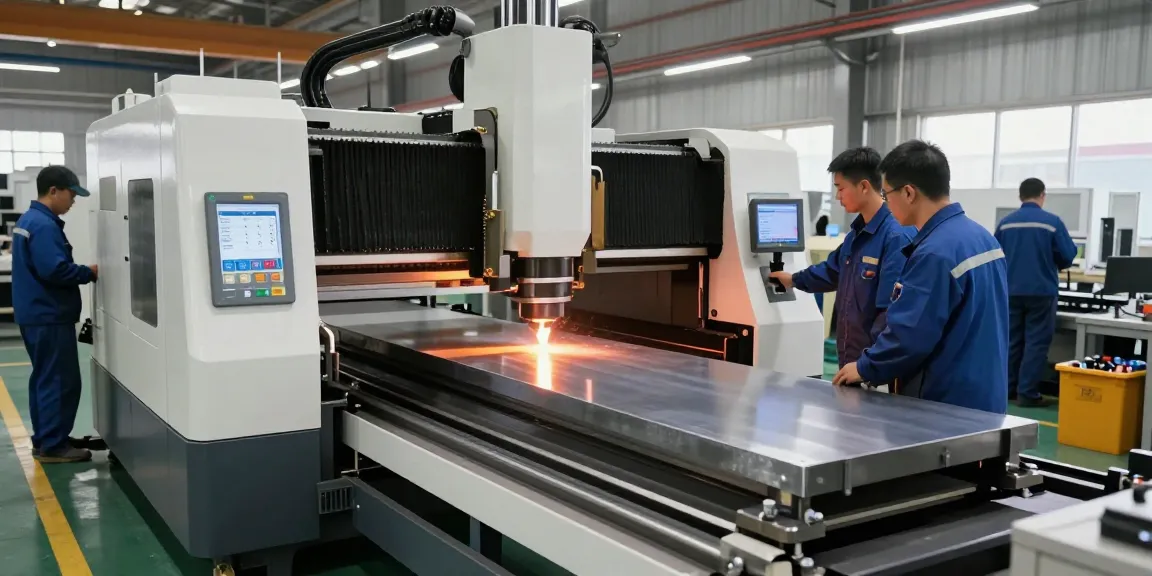
Understanding Hydraulic CNC Press Brake Machines
In the modern manufacturing landscape, the precision and efficiency of machinery play a critical role in productivity and accuracy. Among the key innovations, the hydraulic cnc press brake machine stands out for its ability to deliver meticulous results in sheet metal bending processes. This article provides an in-depth exploration of hydraulic CNC press brake machines, detailing their mechanics, benefits, applications, and the advanced technological features that enhance their performance in various industrial settings.
What is a Hydraulic CNC Press Brake Machine?
A hydraulic CNC press brake machine is a computer numerically controlled (CNC) device used primarily in metal fabrication for bending and shaping metal plates and sheets. Its operation relies on hydraulic power, giving it significant advantages over manual or mechanical systems. The hydraulic mechanism allows for smooth operation and greater force application, which is crucial for bending thick materials without compromising accuracy.
Key Benefits of Hydraulic CNC Technology
Hydraulic CNC press brakes offer several benefits, making them an industry favorite:
- Precision: With advanced control systems, these machines provide impressive accuracy, with capabilities to bend metal sheets to within ±0.01mm.
- Efficiency: The faster operation speeds and higher production rates contribute to improved efficiency in manufacturing processes.
- Versatility: Hydraulic press brakes can work with various metal types, including steel, aluminum, and copper, adapting to a wide range of applications.
- Reduced Energy Consumption: Many modern models feature eco-friendly designs that minimize power use without sacrificing performance.
Applications in Modern Manufacturing
Hydraulic CNC press brakes are integral to many sectors, including automotive, aerospace, and electronics. These machines are crucial for producing components that require precision bending, such as brackets, frames, and enclosures. Their versatility in handling different materials and thicknesses makes them invaluable in both high-volume production lines and custom fabrication shops.
Advanced Features of the WEK Series
The WEK series of hydraulic CNC press brakes exemplifies the pinnacle of modern manufacturing technology, integrating innovative features that enhance operational capability:
Innovative Control Systems for Precision Bending
Equipped with the ESA S630 CNC control system, the WEK series allows for up to 4+1 axes control (Y1, Y2, X, R, and V). This multi-axis functionality enhances the bending process, allowing manufacturers to execute complex geometries with precision. Additionally, the dual synchronization of hydraulic systems and digital AC servo motors ensures that bending operations are executed flawlessly.
Safety Features to Protect Operators
User safety is paramount in manufacturing environments. The WEK series incorporates multiple safety features, including:
- Side Protection: Mechanisms that prevent accidental contact with moving parts during operation.
- Rear Door Protection: Locking systems during use to prevent operator access to hazardous areas.
- Light Curtain Technology: Optional systems that create an invisible barrier, stopping operation if disrupted.
Customization Options and Configurations
Every manufacturing requirement is unique, which is why the WEK series offers extensive customization options. Users can select various configurations, including optional additional axes (up to 8+1), specialized tooling, and software enhancements that tailor operations to their specific needs.
Efficiency and Automation in Production
The integration of automation technologies into hydraulic CNC press brake machines is revolutionizing production processes worldwide. With advancements in robotics and machine learning, these machines offer unprecedented levels of efficiency and accuracy.
The Role of Robotics in Bending Operations
Modern hydraulic CNC press brakes can be paired with robotic systems to streamline operations further. The combination allows for automated loading and unloading of materials, significantly reducing manual labor, and enhancing throughput. Robotic arms can handle heavy materials, allowing operators to focus on complex tasks or quality control.
Energy Efficiency of Modern Hydraulic Machines
Today’s hydraulic machines, such as the WEK series, are designed with energy efficiency in mind. Features like hybrid servo systems minimize energy consumption by optimizing power usage during operation. Understanding energy consumption patterns is essential for manufacturers looking to reduce overhead costs while maintaining production levels.
Impact on Overall Production Workflow
The strategic implementation of hydraulic CNC press brakes enhances the overall production workflow. Their ability to produce high volumes of accurately bent parts reduces lead times, enables faster order fulfillment, and ultimately leads to greater customer satisfaction. Additionally, integrating these systems into existing workflows can lead to more streamlined operations and decreased operational errors.
Comparative Analysis of CNC Press Brake Machines
When selecting a CNC press brake machine, manufacturers often face a choice between different technologies. Understanding the differences enhances decision-making processes regarding investments in machinery.
Hydraulic vs. Mechanical Press Brake Technology
Hydraulic press brakes are preferred over mechanical versions for various reasons. Hydraulic systems use fluid power for bending, offering better force distribution and control. This contrasts with mechanical press brakes that rely on a mechanical linkage system, which can introduce inaccuracies over time and require frequent calibration.
Choosing Between Servo and Traditional Systems
Servo-driven press brakes represent the latest advancement in CNC technology. They provide superior control and efficiency, minimizing energy consumption and wear compared to traditional hydraulic systems. Investing in servo technology ensures production efficiency and reduces maintenance costs in the long term.
Evaluating Price and Value for Investment
While the price of hydraulic CNC press brakes can range widely depending on specifications, it’s crucial to evaluate them based on their long-term value. Features such as energy efficiency, precision capabilities, and durability should be prioritized when estimating costs and return on investment (ROI) in manufacturing setups.
Maintaining and Servicing Your Hydraulic CNC Press Brake
The performance and longevity of hydraulic CNC press brakes depend significantly on regular maintenance and timely servicing. Here are essential practices for keeping them in optimal condition:
Best Practices for Regular Maintenance
Routine maintenance ensures that hydraulic CNC press brakes operate smoothly, minimizing downtime and costly repairs:
- Fluid Levels: Regularly check and maintain hydraulic fluid levels to ensure proper operation.
- Calibration: Periodic calibration of the control systems to retain precision.
- Visual Inspections: Regular inspections for leaks, wear, or damage to components.
Troubleshooting Common Issues
Understanding common issues such as hydraulic leaks, inaccurate sensor readings, or failure to maintain pressure is vital for troubleshooting. Most problems can be addressed through basic maintenance checks or by consulting the user manual for specific solutions.
When to Seek Professional Service
While routine maintenance can be performed in-house, it’s essential to recognize when expert service is necessary. Any significant drop in performance, unusual noises, or persistent operational issues should prompt consultation with a certified technician to avoid extensive damage.
FAQs
What is the typical lifespan of a hydraulic CNC press brake machine?
The lifespan of hydraulic CNC press brakes can vary significantly based on usage, maintenance, and quality. However, with proper care, these machines typically last over 20 years.
How can I improve the automation level of my CNC press brake?
Integrating robotic systems and advanced software solutions can enhance the automation level of your CNC press brake, allowing for quicker and more accurate production cycles.
What are the costs associated with hydraulic CNC press brakes?
The cost of hydraulic CNC press brakes varies widely, generally ranging from $20,000 to $45,000, depending on size, features, and brand.